Tax season is coming to a close soon, meaning the deadline to file your annual returns is quickly approaching.
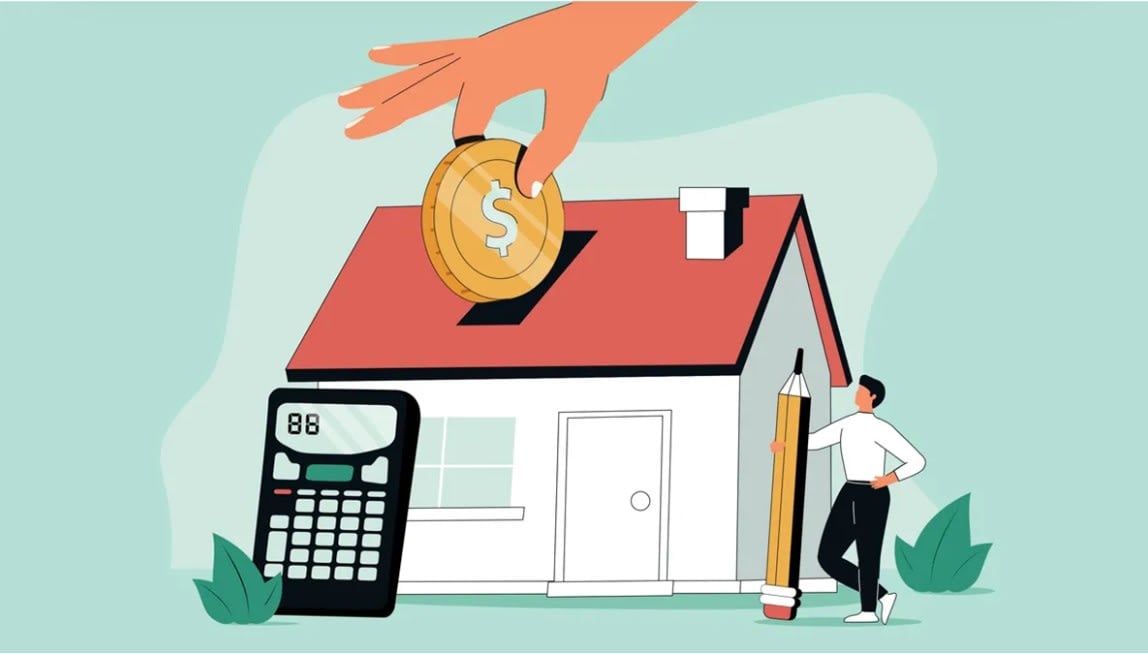
If you own a primary residence, investment home or any other types of real estate, then it will likely impact how much you’ll owe come tax day. In some cases, it may even reduce your tax burden.
Want to make sure you’re well-versed in how real estate is going to impact your taxes? Here’s a brief overview.
You may owe capital gains on a sale. Depending on how long you owned the property and how much you made when selling, you could owe up to 20% in capital gains taxes.
Opportunity zones and 1031 exchanges could save you money. Buying property in qualified opportunity zones can help you defer capital gains taxes. With a 1031 exchange, you can reinvest the proceeds from one property sale into a “like-kind” asset and avoid capital gains.
Rental properties come with write-offs. If you rent out a home to tenants or as a short-term rental property, you may be able to deduct things like management fees, repairs, depreciation, taxes and more.
You can pass on real estate tax-free as part of your estate plan. Including properties in an irrevocable trust can offer a tax-free way to transfer real estate, as opposed to owing capital gains or gift taxes.
Your financial advisor or tax professional can help you pinpoint the best strategies for your real estate holdings, so be sure to keep them updated as you make moves throughout the year.
Reach out if you’re ready to add more properties to your portfolio.