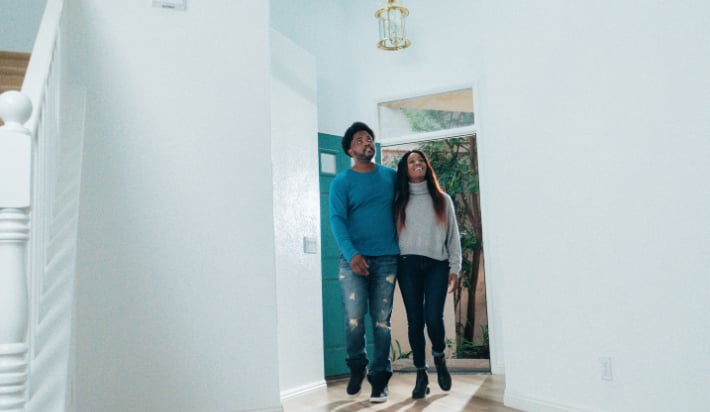
Multigenerational households have become more common in recent years. It may be a cultural, logistical or financial choice, making it easier to care for aging loved ones, have built-in child care around the house or reduce costs for certain members of the family.
Whatever the reason, multigenerational living requires careful planning and maybe some specific architectural and design considerations.
If you’re planning to include generations of your family on one property, here are some keys to success.
Know everyone’s needs. Have a good understanding of what each household member needs. Is there a college student who will need a quiet study space or an aging senior that needs accessibility features? Can everyone be served by the current layout and design of the home, or will you need to add amenities, renovate some areas or even expand your space?
Consider other structures on your property. Making room for new people in your household doesn’t have to mean just expanding your main house. You can add an accessory dwelling unit to your backyard, convert a pool house into a living area or even turn a garage, barn or other existing structure into a dedicated apartment.
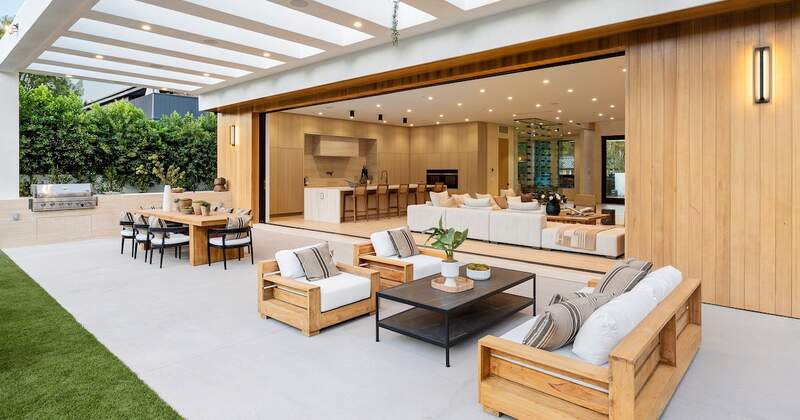
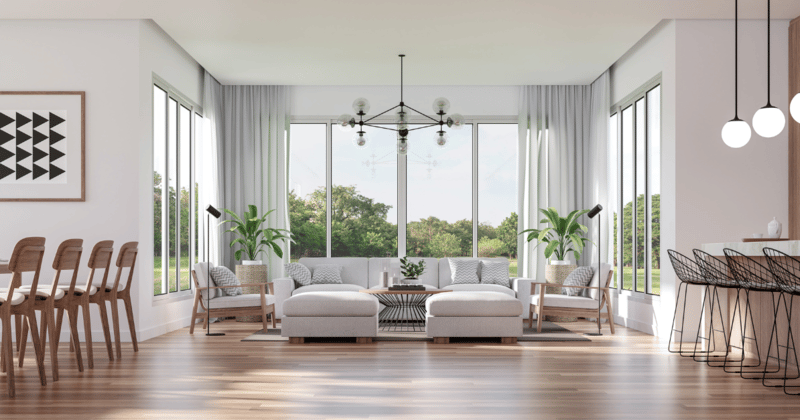
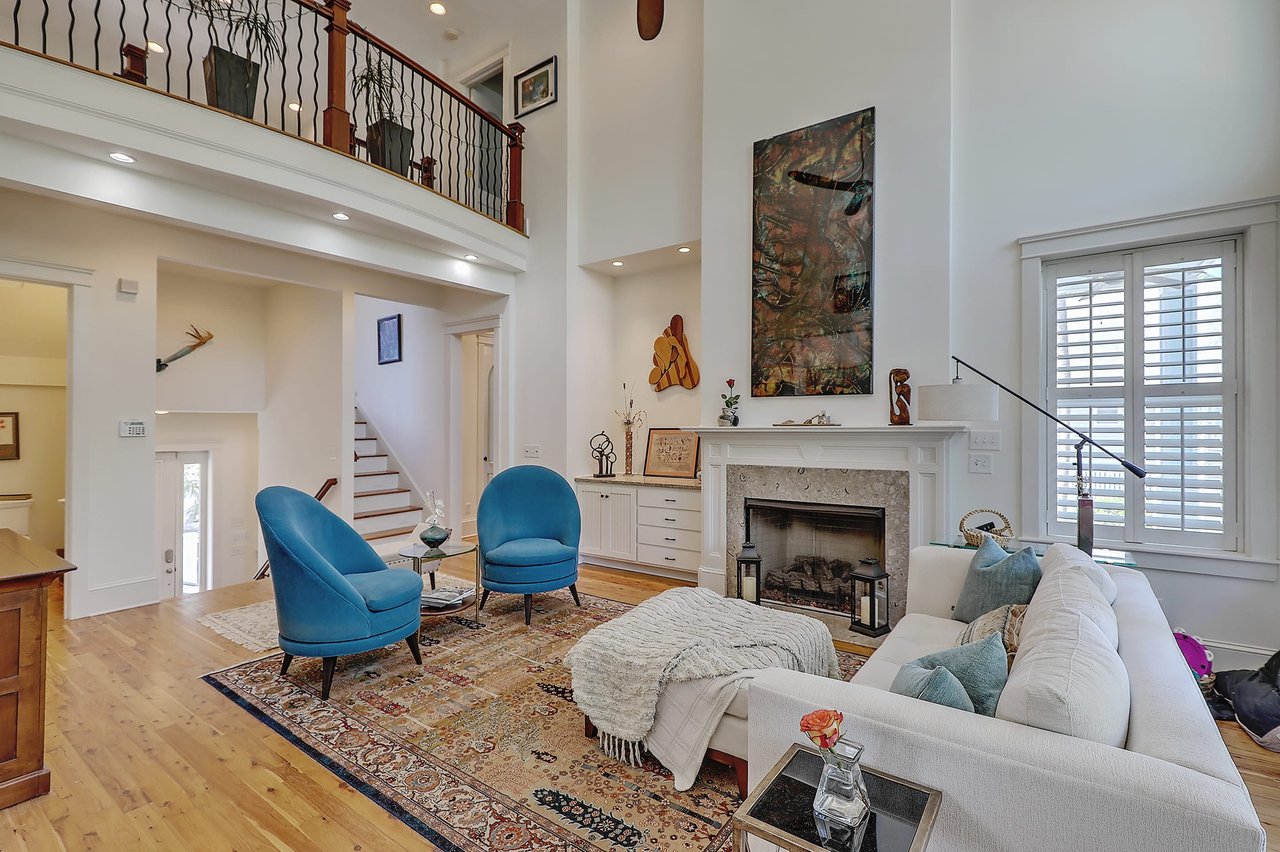
Think about design choices. When you have several generations residing in one place, designing your space to include individual zones is a great way to ensure everyone has adequate privacy. You can balance that with a few well-appointed shared spaces where you can connect and unwind together after a long day.
Be clear on household expectations. Make sure everyone understands their part in the household. How are individual and shared spaces to be maintained? What about handling bills or caregiving duties? Discussing these items early on can help prevent problems later.
Do you need a functional multigenerational property? Let’s start the search today.